Ninety minutes, no notes, no moderator. A year of open town halls has changed one thing: who shows up.
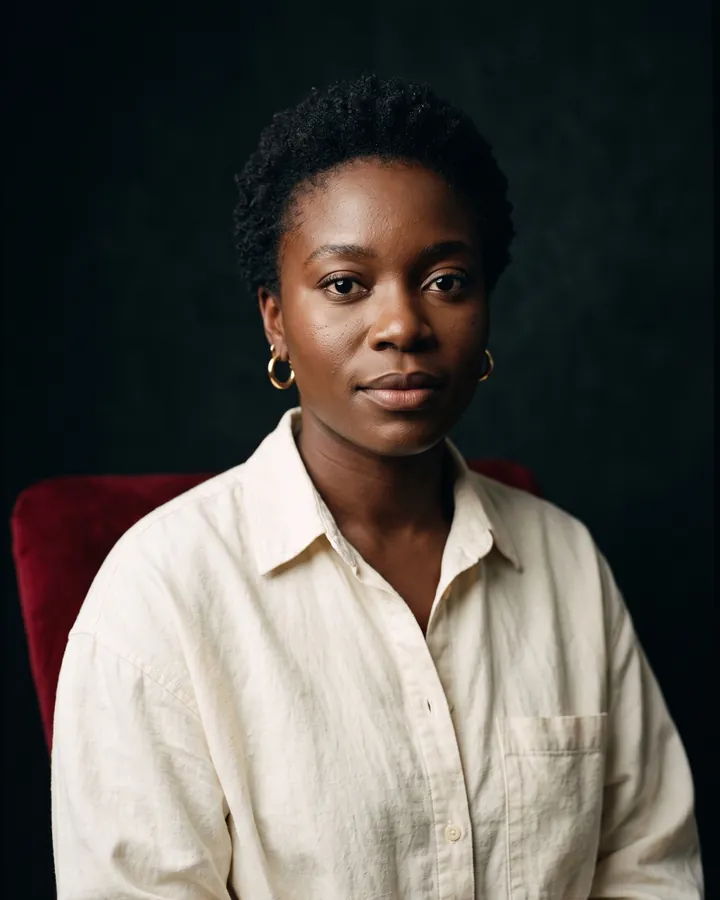
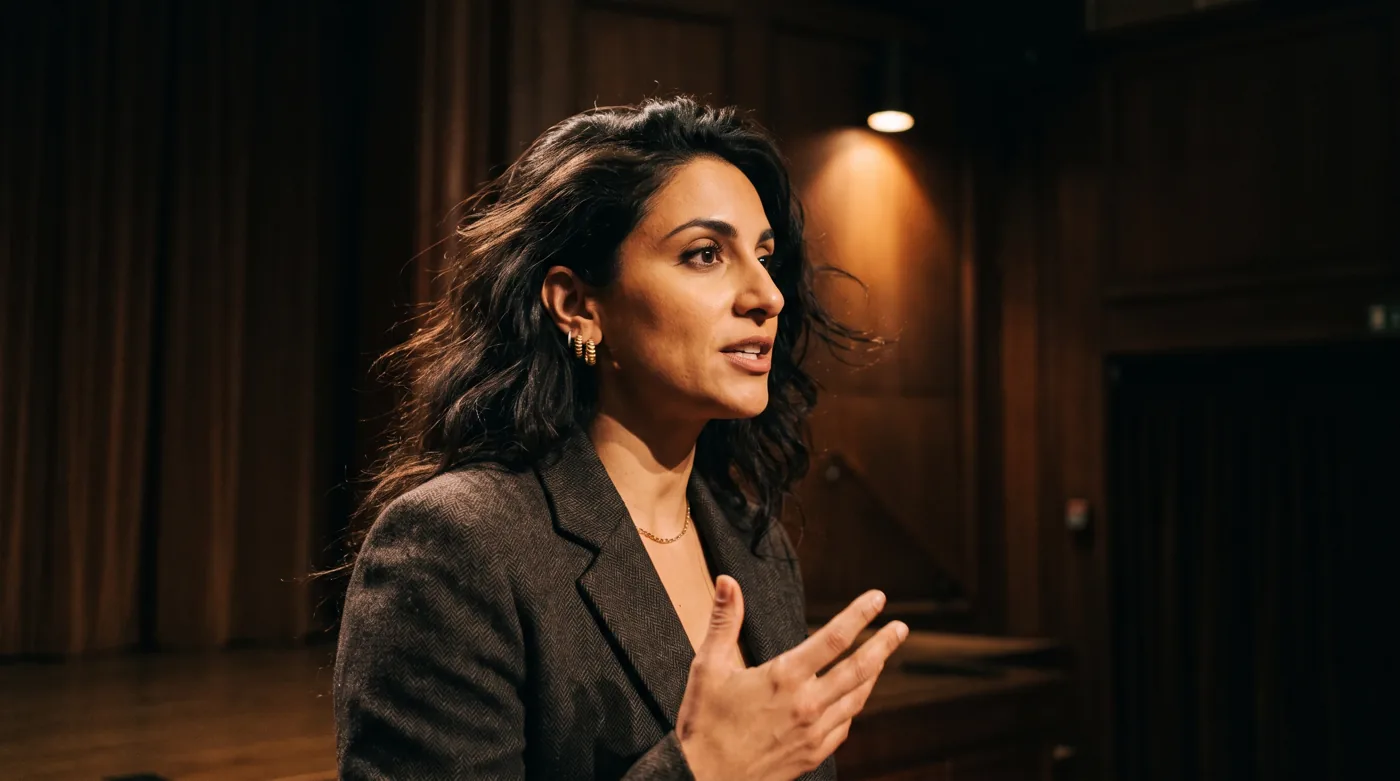
The format has three rules. No notes, no moderator, and nobody leaves until every hand has gone down.
The mayor of Aldersby has held an open evening in the civic hall on the first Tuesday of every month for a year. The shortest lasted fifty minutes. The longest ran past eleven.
How it works
Doors open at seven. There is no list and no screening. Whoever stands up first asks first, and the mayor answers from a single chair on a bare stage.
"If I do not know, I say so, and I come back next month with the answer," she said. "The second part is the one people check."
A volunteer keeps a tally on a whiteboard at the side: questions asked, questions answered, questions owed. In October the owed column held three.
Who comes
The first evening drew sixty people, most of them regulars from council meetings. Last month the hall, which seats four hundred, was full.
The change is not only the number. Staff at the door now count more people under thirty than over sixty, and about one in five say it is their first public meeting of any kind.
What it has changed
Supporters point to small things that moved quickly after being raised from the floor: a bus stop, a school crossing, the opening hours of the tip.
Critics on the council say the evenings reward whoever shouts first and turn policy into a queue of complaints.
The mayor's answer is that the complaints existed before the chair did. Twelve other towns have written to ask how the evenings are run. The reply fits on one page, and the first line is the three rules.
