Attendance at council meetings has tripled in two years. We sat through thirty of them to find out.

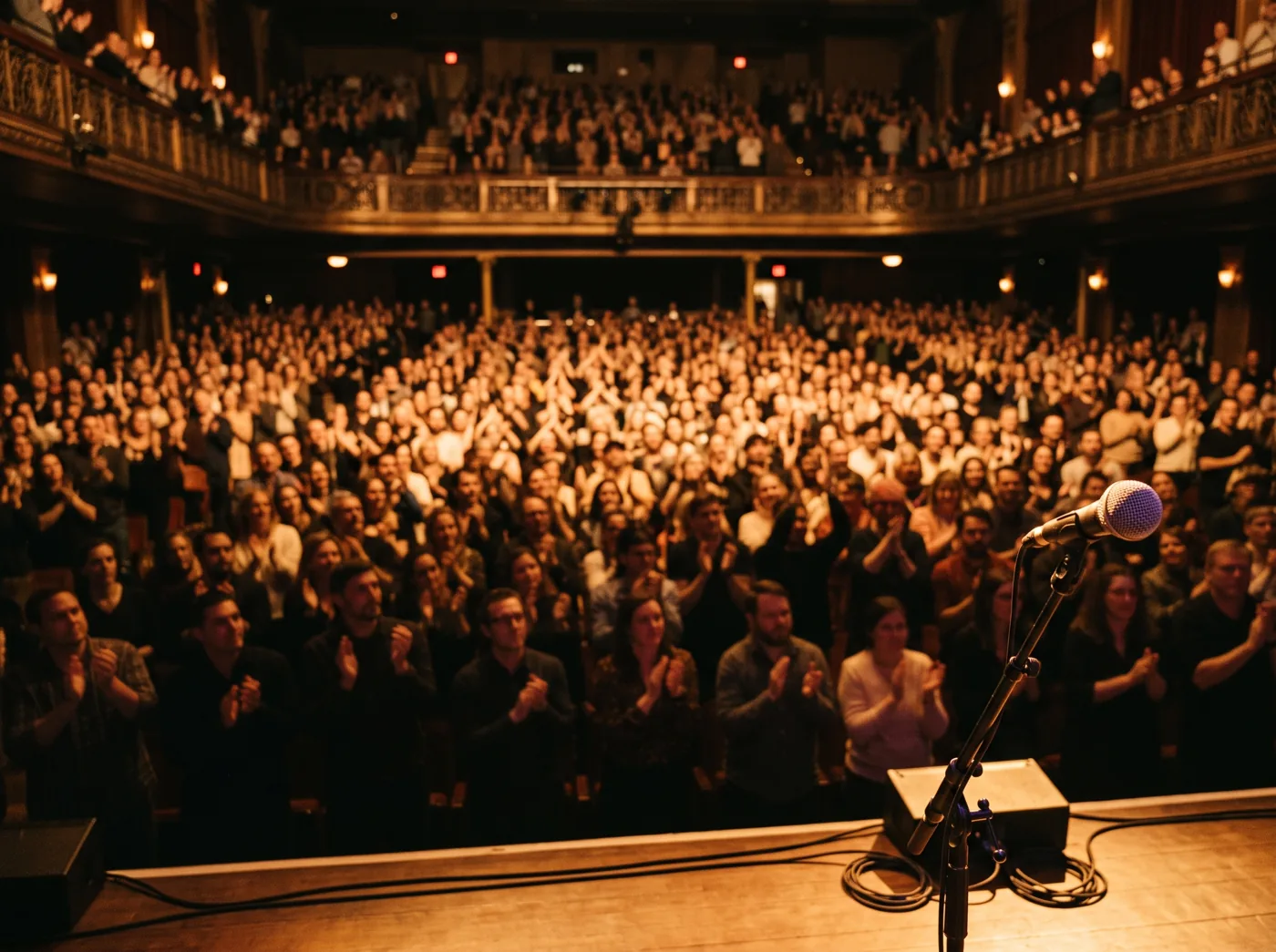
Attendance at council meetings in the region has tripled in two years. We went to thirty of them, in nine towns, to find out why.
The short answer is that people come when something is decided in the room. The long answer took most of an autumn.
What fills a hall
The fullest meeting we saw was a budget night in a town of twenty thousand, where three hundred people stood along the walls to hear a vote on a swimming pool. The emptiest was a planning session, also important, held at two in the afternoon.
Across thirty evenings, four things predicted a crowd:
- A decision taken that night, not a report noted
- A start time after 18:30
- A paper agenda at the door, in plain words
- A chance to speak before the vote, not after it
Where all four were present the hall was at least half full every time.
What empties one
The reverse is as clear. Meetings that open with forty minutes of procedure lose a third of the room before the first item.
"I came to hear about the pool," one father said on his way out of a meeting that had not yet reached it. "I have a babysitter until nine."
Who is new
Clerks in six of the nine towns keep a sign-in sheet. On those sheets, first-time visitors now outnumber regulars.
Most say they heard about the meeting from a neighbour or a group chat, not from the council.
The cost
Longer meetings mean later nights for staff and councillors, and two towns have had to hire a bigger room. Nobody we spoke to wanted the old attendance back.
